Description
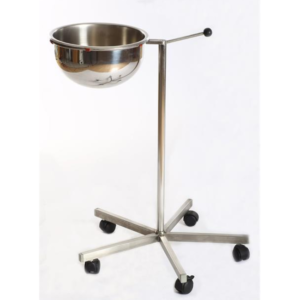
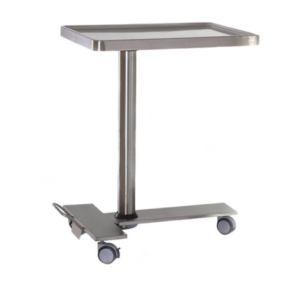
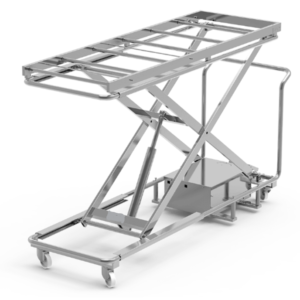
HUVITAL offers a diverse range of anatomy tables tailored to meet your specific needs. Please contact us for your request.
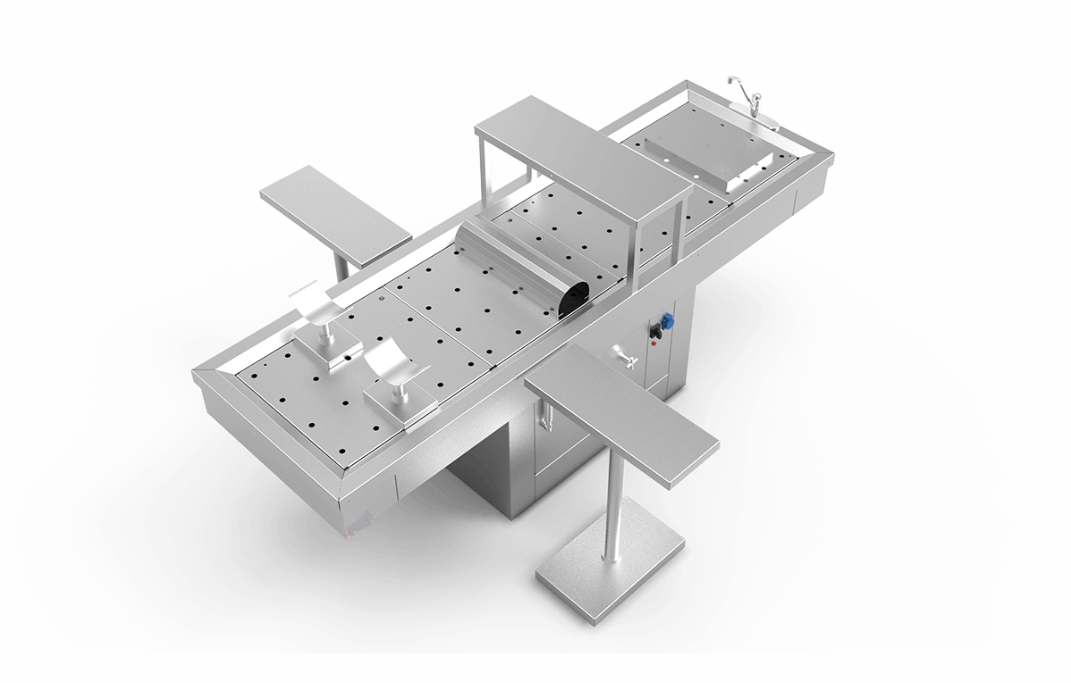
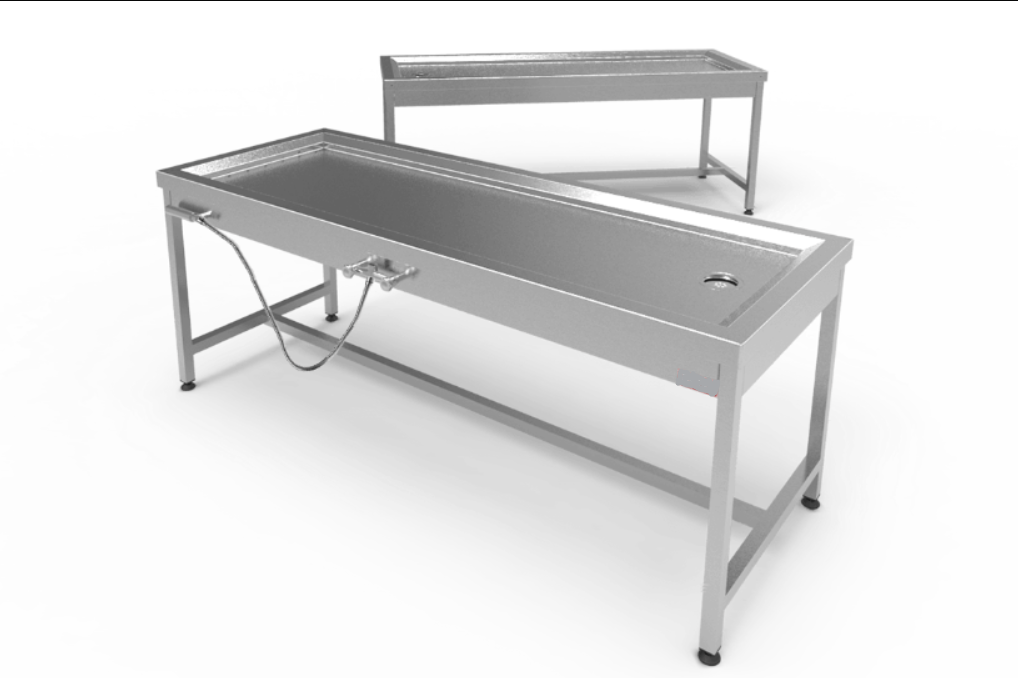
An anatomy table is a specialized table used in medical schools, universities, or research settings for the study and dissection of human or animal specimens. It is designed to support anatomical education and research by providing a stable, adjustable surface where body parts or cadavers can be examined and dissected.
Key Features of an Anatomy Table:
- Durable and Easy-to-Clean Surface: Anatomy tables are typically made of stainless steel or other non-porous materials that are resistant to staining and easy to disinfect, maintaining strict hygiene standards in educational and research environments.
- Adjustable Height and Angles: These tables often feature adjustable height or tilt mechanisms, allowing instructors and students to position the specimen at the optimal angle for dissection or observation.
- Water Drainage: Some anatomy tables are equipped with a drainage system to allow for easy removal of fluids, such as water or preservative solutions, that are often used in the preparation or dissection of specimens.
- Integrated Lighting: Many anatomy tables have built-in lighting systems to provide bright, focused illumination on the specimen, aiding in the detailed examination of anatomical structures.
- Storage and Utility Features: Some tables include compartments for storing dissection tools, equipment, or specimen containers, providing organization and easy access during educational activities.
Purpose of an Anatomy Table:
– Educational Tool: Anatomy tables are primarily used in medical education for teaching students about human anatomy through dissection and direct observation of body structures.
– Research Support: They are also used in research environments where scientists and medical professionals study human anatomy or perform experiments requiring detailed specimen examination.
– Hygiene and Safety: The design of the anatomy table ensures that the process of dissection and study is conducted in a clean, controlled, and safe environment.
In summary, an anatomy table is a critical tool for anatomy education and research, providing a stable, functional, and hygienic platform for the detailed study and dissection of specimens.